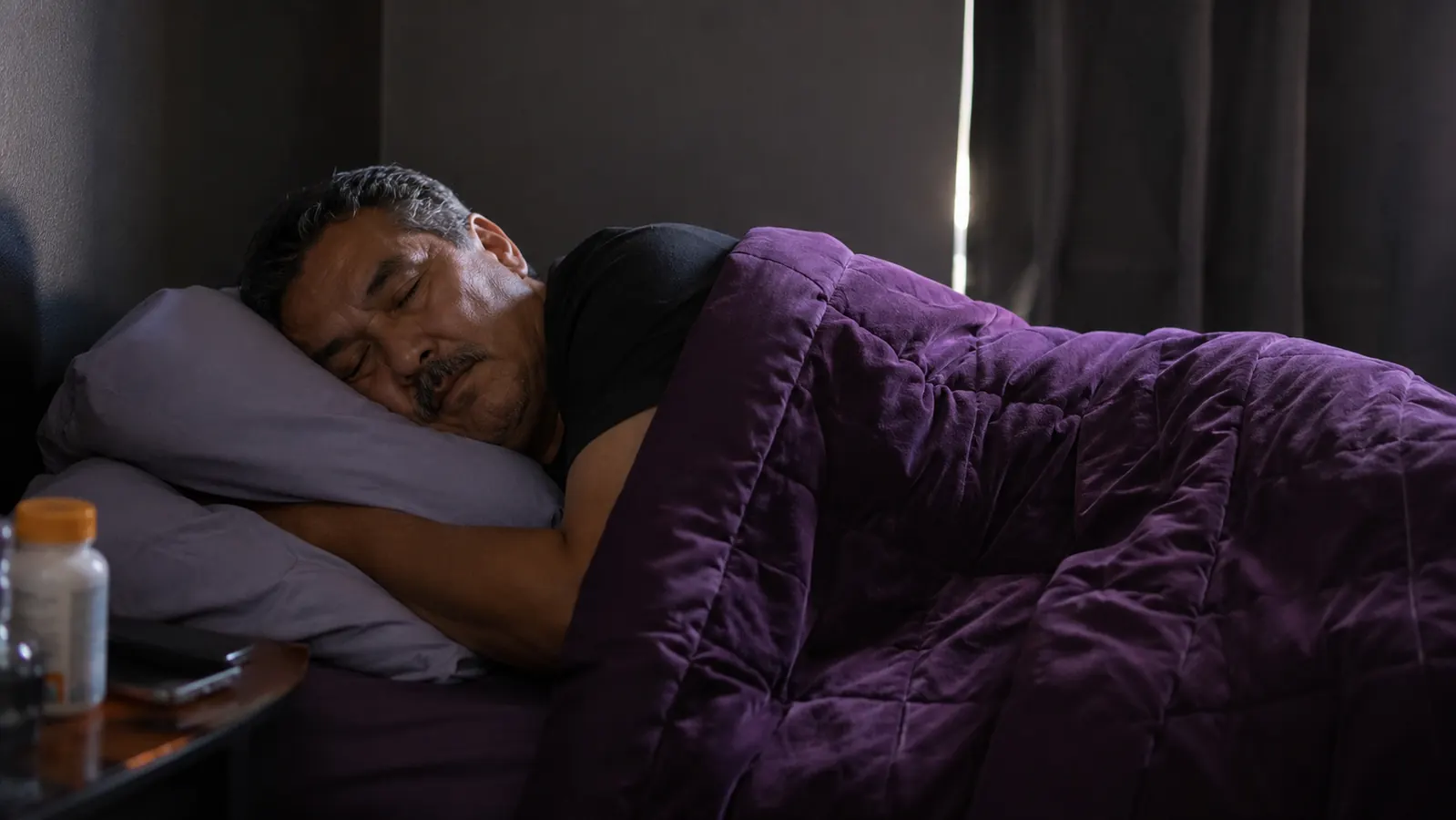
For most of my 22 years driving a city bus, I thought recovery meant what you did with your body after work. A hot shower, a slow walk with the dogs, maybe a heating pad if my lower back was really barking at me. What I didn't understand until my alarm started going off at 3:45 a.m. is that none of that matters much if you're not actually sleeping through the night. You can stretch, walk, and ice everything you want. If your body never drops into deep sleep for more than 90 minutes at a stretch, it never gets the chance to repair what a physical job wears down. That's the piece I was missing, and it's why a yescool weighted blanket ended up doing more for my recovery than anything else I tried that year.
I want to be straight with you before you spend a dime, a weighted blanket isn't a miracle and it won't fix a bad mattress or a real sleep disorder. What it did for me is help me actually stay asleep long enough for recovery to happen. Here are ten specific reasons this thing earned a permanent spot on my bed instead of getting shelved after a few weeks like most of what I've tried.
Your Body Never Fully Recovers If You Never Fully Sleep
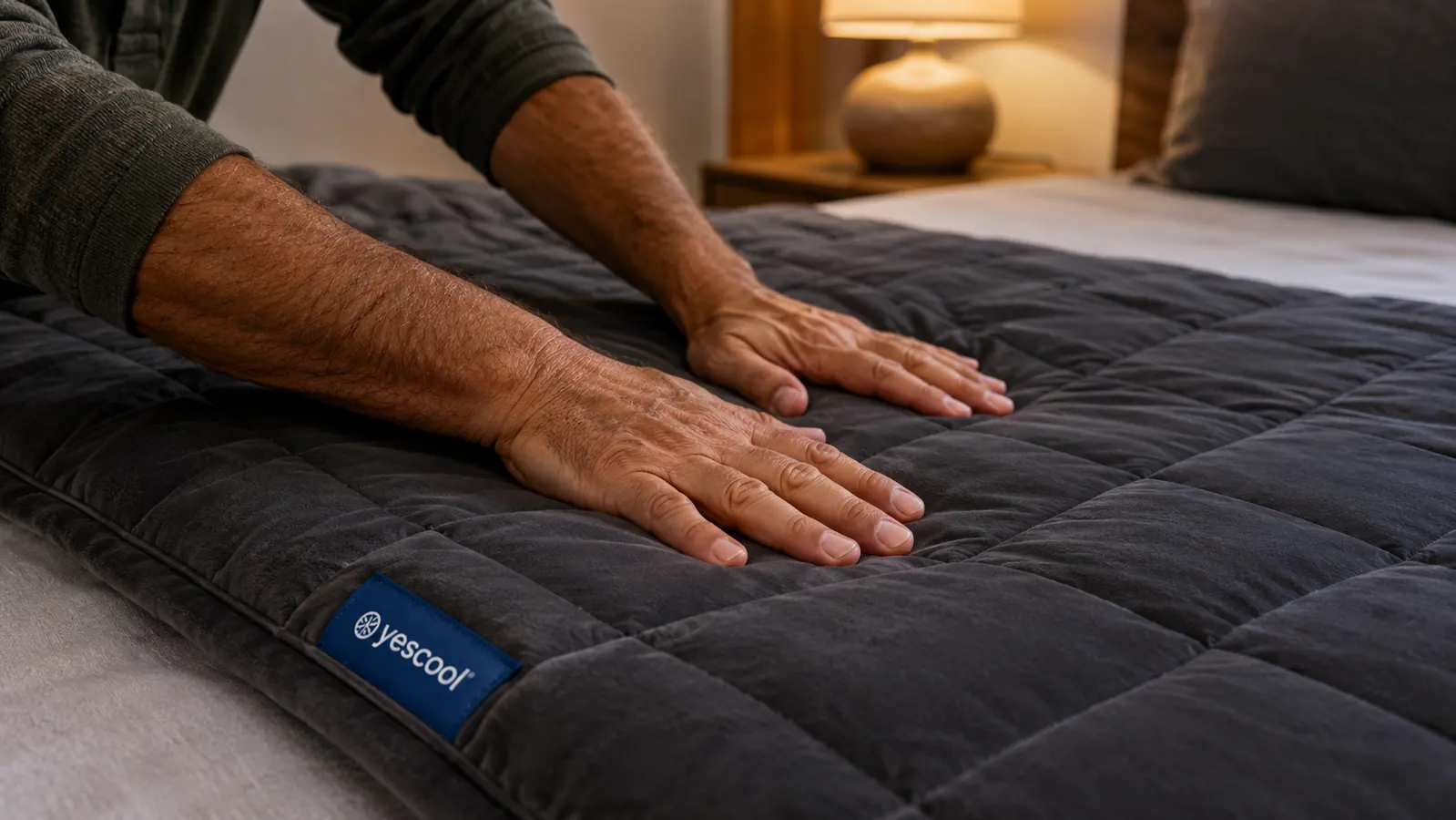
This is the exact yescool weighted blanket I've slept under every night for six months on a shift schedule that used to wreck my sleep entirely.
Amazon Check Today's Price on Amazon →Deep pressure actually calms a body that's still keyed up from work
After a shift full of tight schedules, traffic, and the general tension of the job, my body used to lie down still running hot, heart rate up, mind going over the day. The even, steady weight of the yescool across your chest and legs triggers deep pressure stimulation, the same calming effect behind a firm hug or a swaddle. It's a physical signal to your nervous system that it's safe to power down, and that has to happen before real recovery sleep even starts.
It cuts down the wake-ups that steal your deepest sleep stages
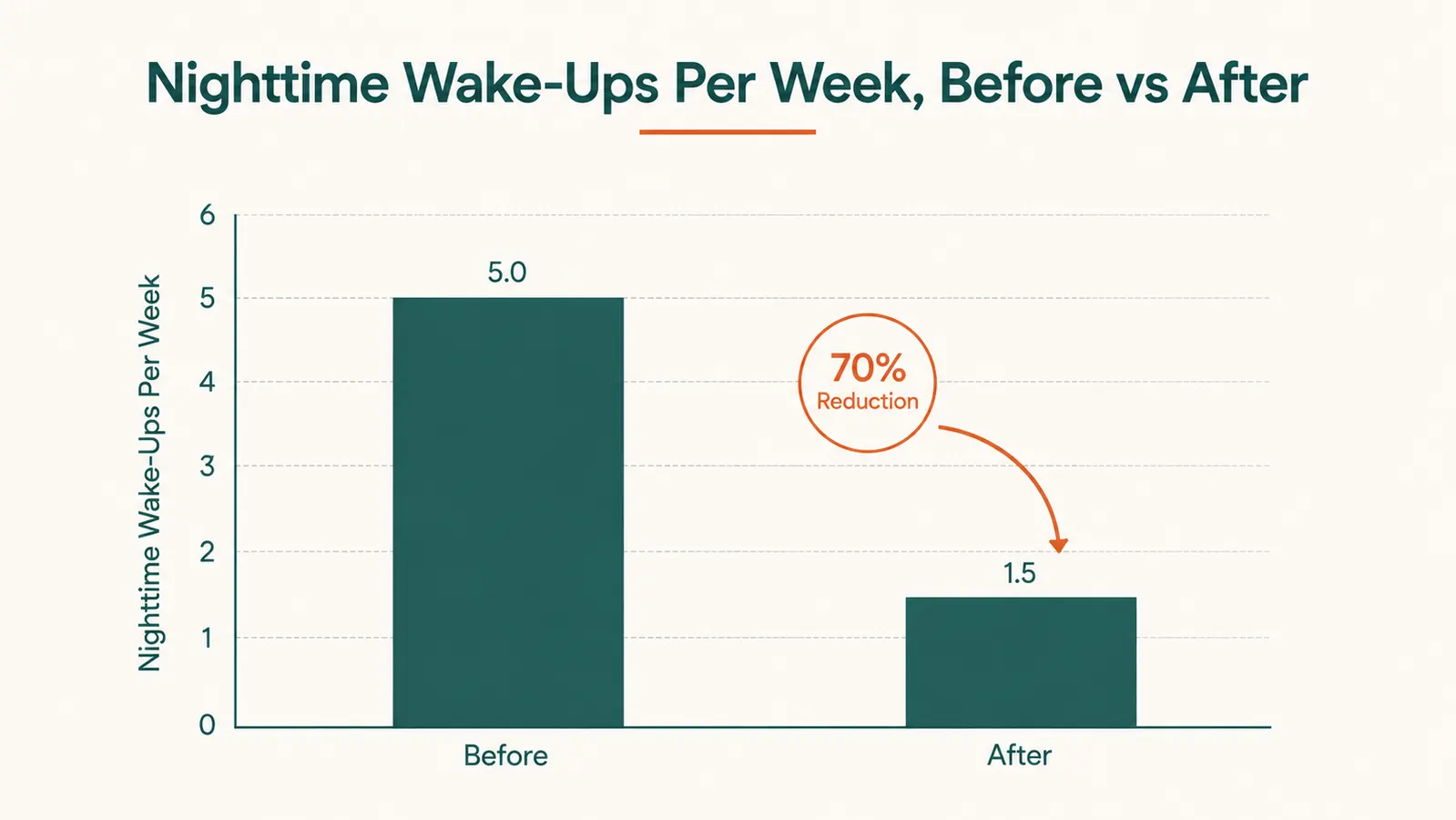
Your body does most of its physical repair work during the deep sleep stages, not the light stuff at the edges of the night. The problem is those deep stages get interrupted every time you jolt awake at 1 or 2 a.m., which used to happen to me four or five nights a week. Since the weighted blanket, those middle-of-the-night wake-ups have dropped off hard, and when they do still happen, I fall back asleep in minutes instead of lying there doing math about my alarm.
It helps you sleep on a schedule your body clock hates
A 3:45 a.m. alarm means I'm often trying to fall asleep while it's still light out, fighting a body clock that thinks it should be awake. Blackout curtains helped some, a sound machine helped some, but neither addressed the fact that my body just didn't feel tired on cue. The weight of the blanket gives your body a physical cue that overrides some of that daylight confusion, one more consistent signal telling your system it's time to shut down, even when the sun disagrees.
The glass bead fill keeps you comfortable enough to actually keep using it
Recovery tools only work if you keep reaching for them, and a blanket that feels lumpy or shifts around gets kicked off the bed by week two. The yescool uses fine glass beads stitched into a tight grid of small squares instead of the bulky poly pellets cheaper blankets use, so the 20 pounds spreads evenly across your whole body instead of piling up around your feet by morning. That even feel is the difference between a blanket that stays on the bed and one that ends up folded in a closet.
The cooling fabric keeps 20 extra pounds from wrecking your sleep temperature
I run warm, and adding weight to a bed sounded like a guaranteed way to wake up sweating through the sheets. The yescool's outer fabric is a tight, breathable weave rather than the fuzzy minky material a lot of weighted blankets use, and it genuinely sleeps cooler than I expected through both winter and the warmer months. Temperature swings are one of the fastest ways to break a sleep cycle in half, so a blanket that doesn't trap heat is doing quiet work for your recovery too.
It replaces a whole nightstand full of half-working sleep aids
Before this, my routine looked like melatonin gummies some nights, a sound machine, and a lot of hoping. Each one chipped away at the problem a little without solving it. The weighted blanket is the one thing that's stayed in the rotation every single night for six months straight, no gummies to remember, nothing to run out of. It's become the one consistent variable in a sleep routine that used to be a pile of half measures.
It's a one-time cost against a recurring bill for sleep aids
The yescool runs a fraction of what I used to spend restocking melatonin every couple months, and unlike a supplement bottle, it doesn't run out. You buy it once, and as long as you take care of it, it just keeps doing its job. For anyone budgeting a paycheck around a job that's already hard on the body, a one-time purchase that gets used every night beats a recurring one that gets forgotten on the counter half the time.
It holds up to the kind of washing a real recovery routine requires
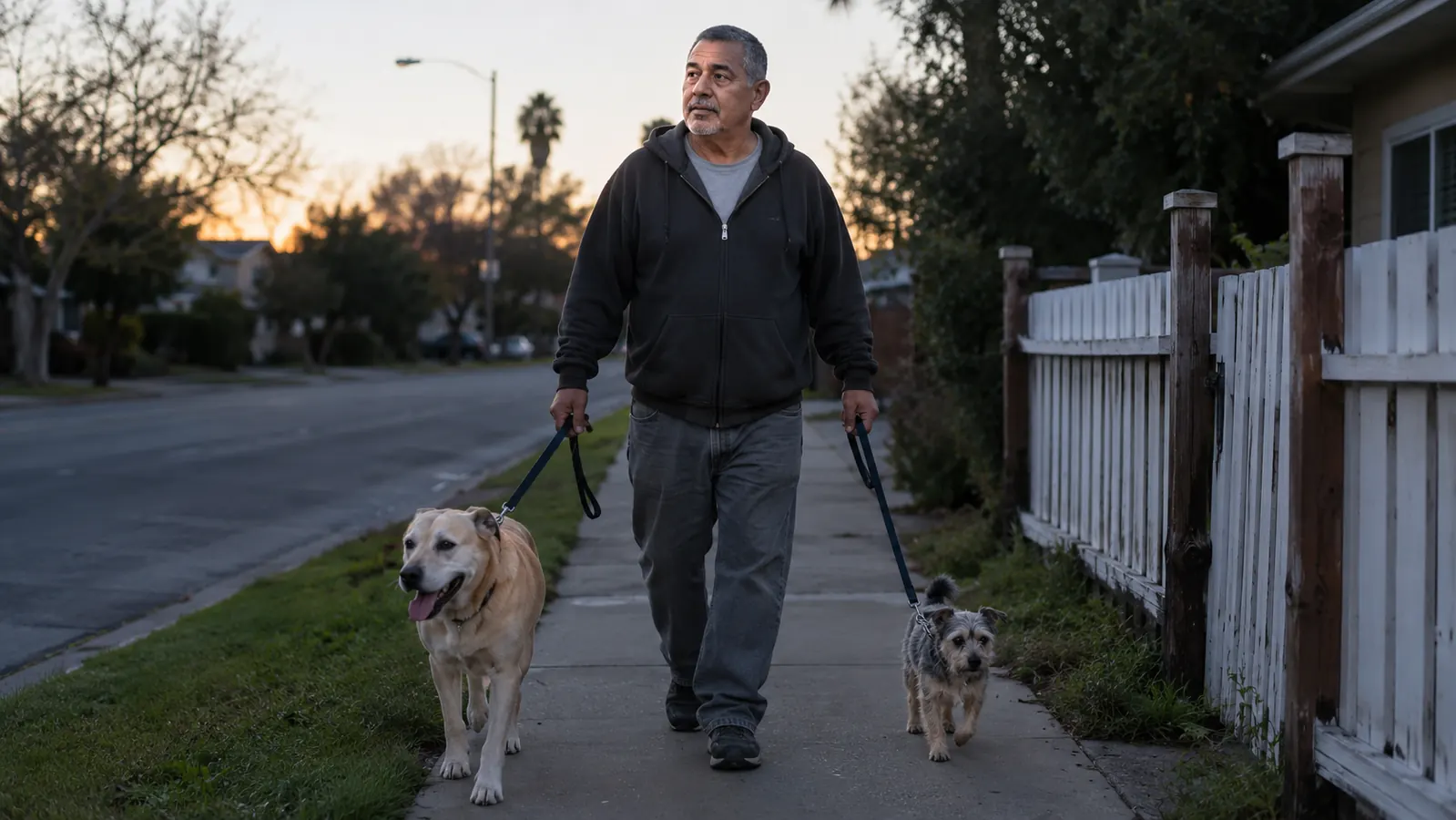
Anything you're relying on every night has to survive real life. My dogs, Diesel and Rosie, jump up on the bed most mornings before I'm even fully awake, and this blanket needs washing more than the average throw. Both the cover and the weighted insert are machine washable, and six months of monthly washes haven't left the beads clumped or the stitching loose. A recovery tool you're scared to wash isn't one you'll actually keep using.
It gives your body a real cue that the workday is over
Part of why I never used to wind down well is there was no clear line between being on the clock and being off it, especially on split shifts. Pulling this blanket up every night at the same time became a physical ritual, separate from whatever's still bouncing around in my head about the route or tomorrow's schedule. Your body responds to consistent cues, and this one is simple enough that it doesn't take willpower, just the same motion every night.
A body over 40 needs uninterrupted sleep more, not less
I'm 56, and the honest truth is my joints and my lower back don't bounce back the way they did at 30, no matter what I do during the day. Real tissue repair leans hard on deep, uninterrupted sleep, and that need only grows as the years on a physical job add up. A weighted blanket doesn't turn back the clock, but more real deep sleep instead of fragmented light sleep is one of the few things actually working in your favor as the job gets harder to bounce back from.
What I'd Skip
I'm not going to pretend this works for everybody. If you already run hot no matter what's on the bed, adding 20 pounds is going to make that worse, cooling fabric or not, and you'll need to manage it with a fan or lighter layers underneath. If you share a bed and both sleep under one blanket, skip it, weighted blankets are sized to one person's body weight and splitting one doesn't work well for either side. If you're claustrophobic or you try it once and genuinely hate the feeling of pressure, that's a real reaction, not something to push through out of stubbornness. And if what's actually wrecking your sleep is a diagnosed condition like sleep apnea or chronic insomnia, talk to a doctor first. This is a tool for shift-worn, achy sleep, not a substitute for medical care when something's actually wrong.
I spent years thinking recovery happened somewhere between my shift and my next one. It actually happens flat on your back, and only if you stay there long enough.
Recovery Isn't What You Do After Work, It's What Happens While You Sleep
Here's the exact yescool weighted blanket I credit for turning broken, fragmented sleep into the kind of rest my body actually needed to recover from the job.
Amazon Check Today's Price on Amazon →