I spent 22 years driving a city bus, and the last eight of those I also picked up weekend shifts unloading freight at a warehouse on the east side. Between the two, my lower back never really got a day off. By the time I hit 54, I was waking up most mornings and needing about ten minutes just to stand up straight. Connie, my wife, got tired of watching me shuffle to the coffee maker like I'd aged twenty years overnight.
I'd tried the usual stuff first, heating pads, a lumbar pillow for the driver's seat, stretching in the morning. Some of it helped a little. None of it fixed the actual problem, which my doctor described as compressed discs from decades of sitting and lifting. She mentioned traction and decompression as a real option, not a gimmick, and that's what sent me looking at inversion tables. I landed on the YOLEO Gravity Inversion Table after reading through a stack of reviews and comparing it against a couple of pricier names. Six months later, I've used it close to every week, sometimes twice, and I want to walk through exactly what that's looked like, good and bad.
The Quick Verdict
A genuinely useful piece of home recovery equipment for anyone whose back takes a beating from sitting or lifting, once you get past a slightly fussy first assembly.
Amazon Check Today's Price →Still Waking Up Bent Over Like You're 80?
If your mornings start with ten minutes of shuffling before your back loosens up, this is the exact table I've used every week for six months to get my spine some real relief.
Amazon Check Today's Price on Amazon →How I've Used It
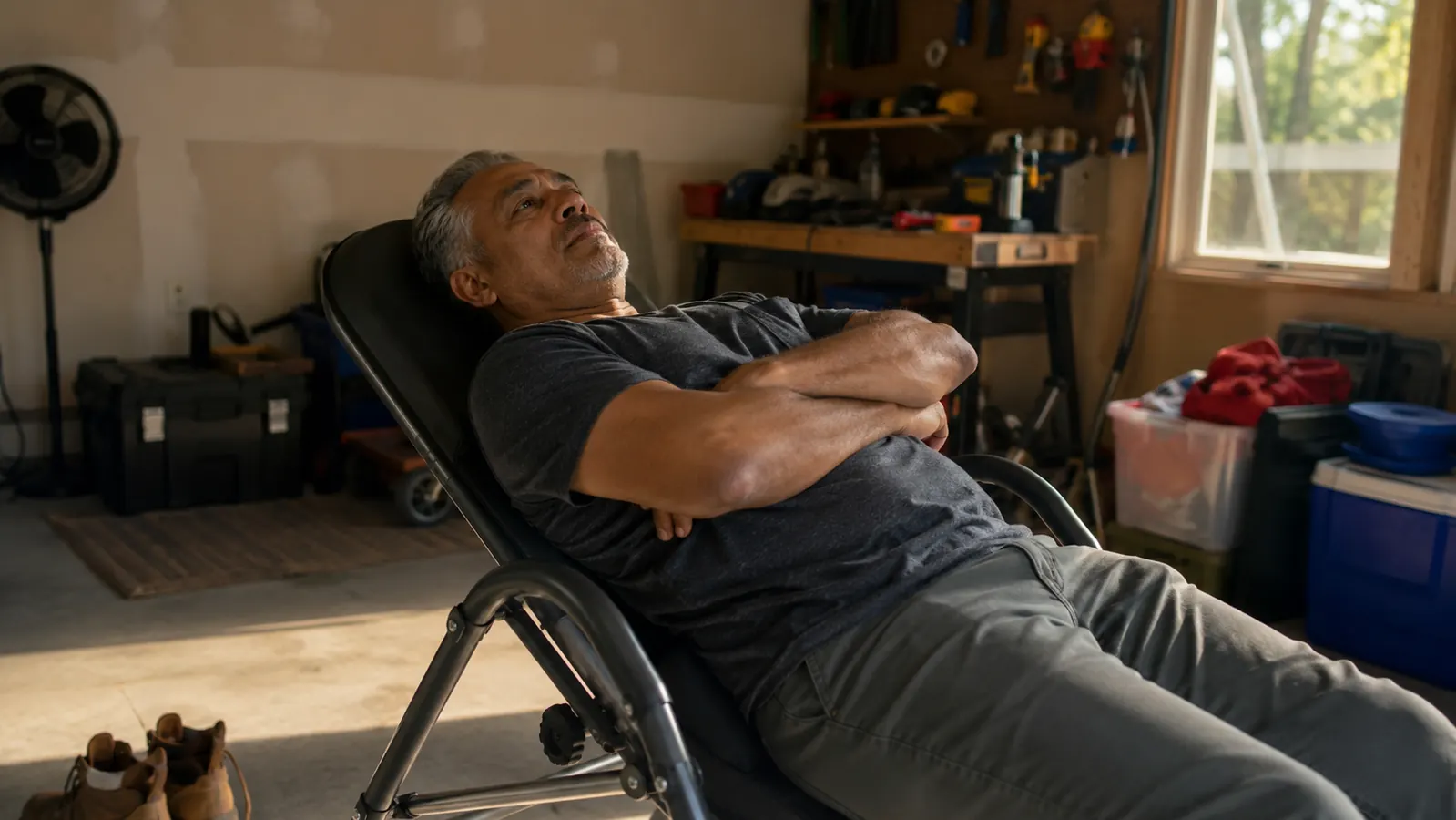
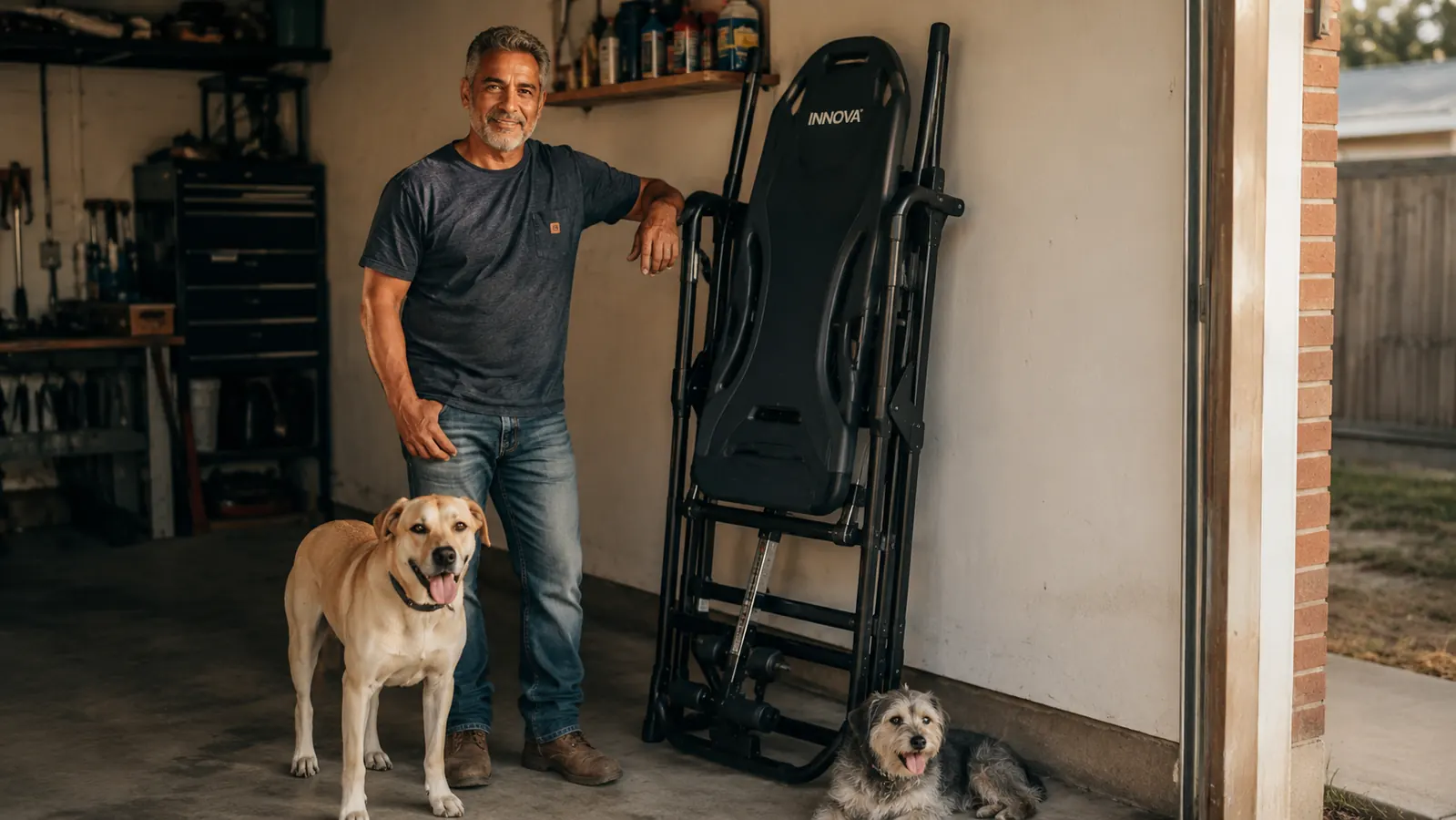
My routine is simple and I've kept it that way on purpose. Sunday and Wednesday nights, after the dogs get their last walk, I fold the YOLEO out in the garage and do two rounds of inversion, about four minutes each, starting shallow and working up toward a fuller angle over the course of the session. I'm not chasing a full 180 degrees hanging upside down like you see in the marketing photos. Most sessions I sit somewhere between 30 and 50 degrees, which is enough to feel real traction through my lower back without my ears ringing from the blood rush.
The first two weeks were an adjustment. Your body has to learn to relax into the position instead of fighting it, and your inner ear needs time to get used to being upside down without triggering that seasick feeling. I'll be honest, session three I got off the table and had to sit on the garage step for a minute before I trusted my legs. That passed. By week four it felt as normal as stretching.
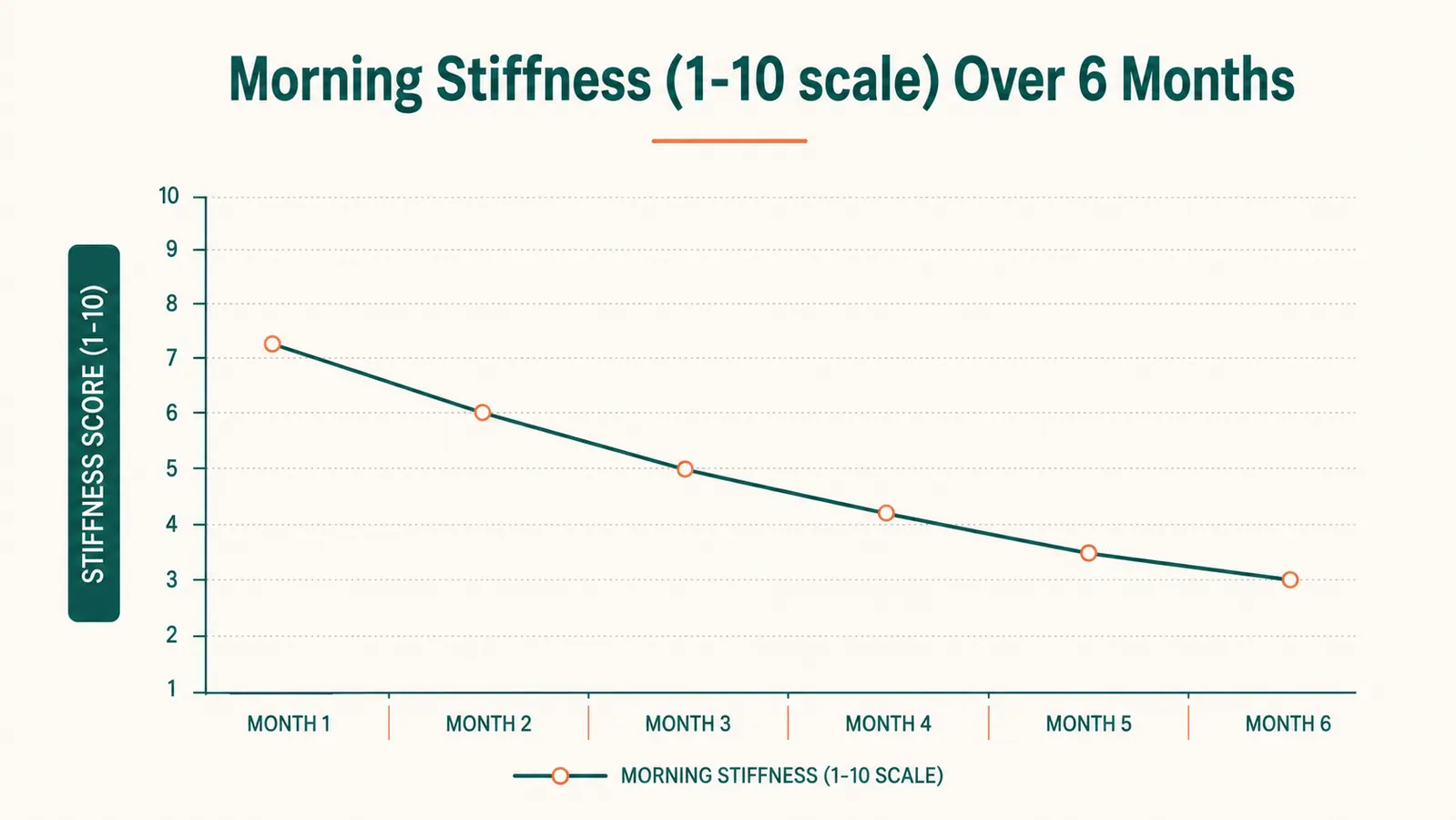
I also started tracking a simple morning stiffness number, just a 1 to 10 gut check I'd jot on the calendar in the kitchen. Nothing scientific, just something Connie suggested so we weren't relying on my memory, which after a double shift is not reliable. That log is where most of what I'm about to tell you comes from.
Connie thought I was nuts the first week, watching me hang there in the garage with the dogs, Diesel and Rosie, staring at me like I'd lost it. She's come around since, mostly because she's the one who notices when I'm not wincing getting out of the truck anymore. It also became a good excuse to step away from the TV for ten minutes before bed instead of scrolling my phone, which I didn't expect but I'll take it.
Setting It Up: The Part Nobody Sugarcoats
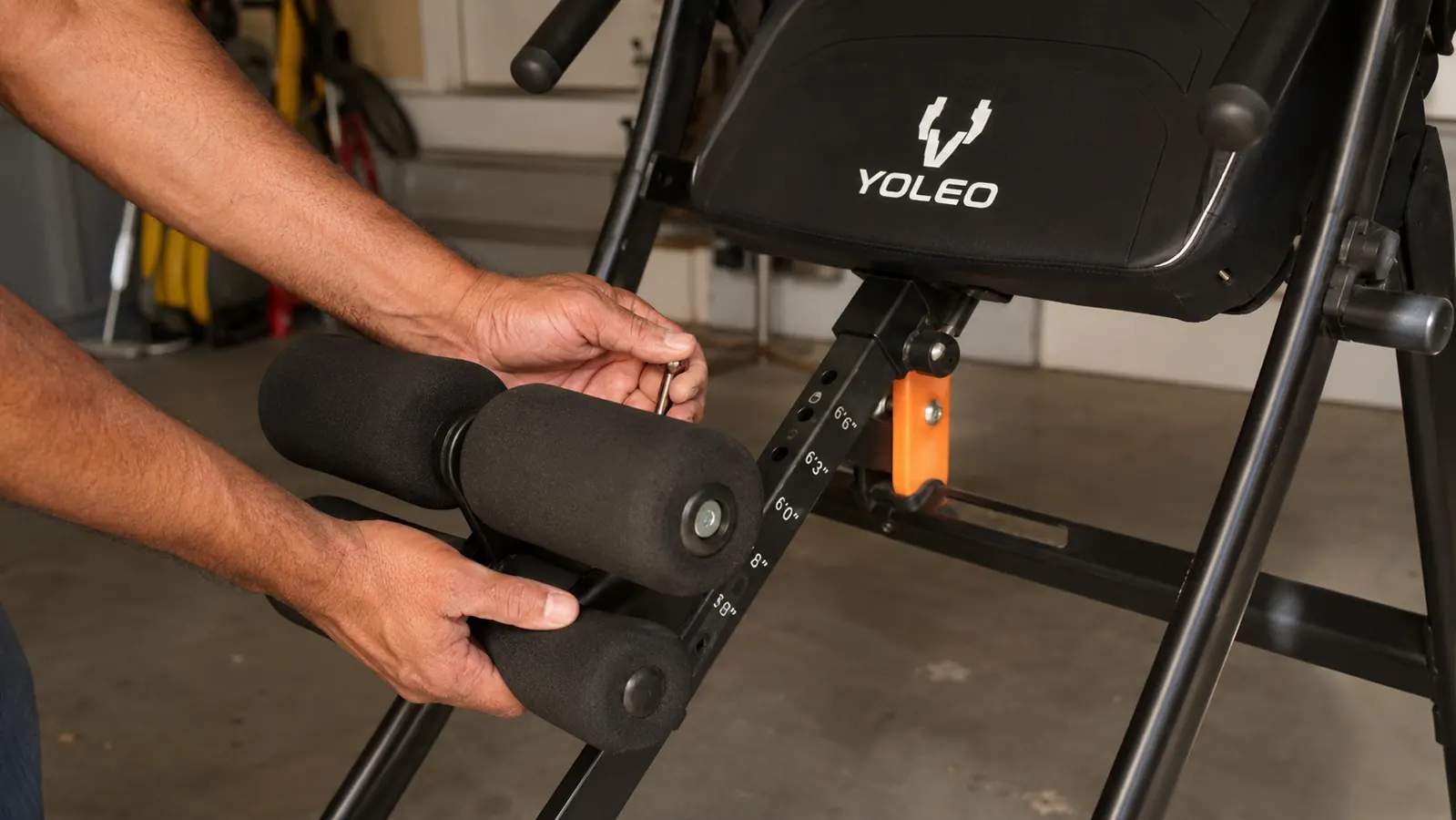
Assembly took me a little over an hour, working alone, with a Phillips head and an adjustable wrench. The YOLEO ships mostly unassembled, so you're bolting the base rails, the uprights, and the backrest together from a box of parts and a set of instructions that are readable but not exactly friendly. If you've ever put together a grill or a piece of gym equipment from a box, you know the drill. Nothing about it requires special tools, but I'd plan for an hour and a beer, not fifteen minutes.
The one step that actually matters is setting the height pin to match your own height in inches, which the table has marked right on the frame. Get that wrong and the ankle cushions won't clamp your ankles securely, which is not a place you want slop when you're upside down. I set mine, tested it standing upright first with the table locked flat, and only then tried a partial invert holding onto the frame the whole time. That's the same advice I'd give anyone, don't trust a new inversion table on your first try without a spotter or something to grab.
Once it's dialed in, the height setting doesn't move. I haven't had to readjust it once in six months, even after Connie tried it a handful of times and had to reset the pin for her own height.
The Lumbar Support and Ankle Lock, Six Months In
The YOLEO comes with a removable lumbar pad that sits at the small of your back when you're on the table. I use it about half the time. On nights when my lower back is more inflamed than tight, the extra pressure point actually feels good. On nights when it's pure stiffness with no real inflammation, I take the pad off and just let the frame do the work.
The ankle lock system is the part I was most skeptical of going in, because that's the mechanism holding your entire body weight when you're inverted. Six months and probably 45 sessions in, the ratchet mechanism still locks solidly and hasn't slipped once. The foam ankle cushions have flattened a little from use, which is normal wear, but they still grip fine. If you're a bigger guy like me, I'm 5 foot 11 and sit around 215 pounds, I'd recommend double-checking that lock every single session out of habit, not because it's failed but because it's cheap insurance.
The frame itself is rated for 300 pounds, and mine hasn't shown any wobble, squeaking, or paint wear at the joints. I keep it in the garage, which does get humid in summer here, and I haven't seen any rust starting on the bolts, which was one of my worries going in.
The Backrest, Padding, and Comfort Over Time
The backrest is a foam-padded panel wrapped in a textured, wipeable material rather than cloth, which matters more than I expected. I sweat during sessions, especially in summer with the garage door down, and a cloth backrest would have gotten rank fast. Six months of wiping it down with a damp rag after use and it still looks close to new, no cracking or peeling at the seams.
The padding itself has compressed slightly where my shoulders and lower back sit most, which is normal for any foam product used weekly. It hasn't gone flat or lumpy, and it's still noticeably more comfortable than the bare metal frame underneath. If you're taller than average, worth noting the backrest length is generous enough that my head clears the top edge comfortably even at 5 foot 11.
One small thing I appreciate that doesn't get mentioned in most reviews, the handlebars near the base give you something to pull against on your way back up to vertical, which matters more than it sounds like it would. The first few sessions I tried muscling myself upright using just my core, and my lower back let me know that was a bad idea. Use the handles. Your back will thank you.
What Six Months of Weekly Sessions Actually Changed
I'm not going to tell you the YOLEO cured my back, because it didn't, and anyone who tells you an inversion table fixes compressed discs for good is selling you something. What changed is the morning. That stiffness number I mentioned started around a 7 most mornings in month one. By month three it was hovering around 4 to 5. By month six it sits closer to 3 on a normal week, and only spikes back up after a rough stretch of overtime shifts.
The bigger shift is how fast I loosen up. Instead of ten minutes of shuffling before I can stand straight, it's closer to two or three minutes now. That doesn't sound like much on paper, but when you're trying to get out the door for a 5 a.m. shift, those eight extra minutes matter.
I've also noticed fewer of the sharp, catch-my-breath twinges I used to get bending over to tie my boots or load a bag of dog food into the truck. Those haven't disappeared completely, but they've gone from a couple times a week to maybe once a month.
A Safety Note Worth Actually Reading
Inversion changes your blood pressure and eye pressure while you're upside down, and that's not something to shrug off. If you have high blood pressure, heart disease, glaucoma, or any eye condition, talk to your doctor before you ever get on one of these, YOLEO or otherwise. My doctor cleared me first, and she specifically asked about my blood pressure numbers before giving the go-ahead. I'd tell anyone reading this to do the same instead of just ordering one because a review online said it helped.
Even once you're cleared, ease into it. Start at a shallow angle, keep sessions short the first couple weeks, and always have a way to grab the frame or a nearby wall if you feel lightheaded. I still don't go past about 50 degrees, and I've had zero issues doing it that way.
Considering the Alternatives
Before I bought the YOLEO I looked hard at the Teeter, which is the name most people bring up first when inversion tables come up. It's a well-built machine and I don't have anything bad to say about it. But it also runs noticeably higher in price, and for someone on a bus operator's budget who wanted to test whether inversion would even help before committing bigger money, the YOLEO made more sense as the starting point. I go into the full side-by-side in a separate comparison if you want the detailed breakdown, but the short version is the YOLEO gave me the same core mechanism, ankle lock, adjustable angle, lumbar support, at roughly half the investment.
I also looked at a couple of no-name tables even cheaper than the YOLEO, the kind with generic branding and reviews that felt padded. I passed on those because the ankle lock mechanism in the photos looked flimsy, and that's not a place to cut corners when your full body weight depends on it holding. The YOLEO sat in the sweet spot for me, a recognizable brand with a real track record of reviews, a solid ankle lock, and a price that didn't require clearing it with Connie as a major purchase first.
What I Liked
- Locking ankle mechanism has held solid through 45-plus sessions
- Folds flat and stores against a garage wall in under a minute
- Removable lumbar pad is a nice touch for inflamed days
- Noticeably shorter morning stiffness window after consistent weekly use
- Price point makes it an easy first inversion table to try
Where It Falls Short
- First assembly took over an hour and the instructions are only okay
- Ankle cushions have started to flatten slightly from regular use
- Takes a couple weeks to get comfortable with the inverted sensation
- Full 180-degree invert isn't realistic or necessary for most people despite the marketing photos
I'm not chasing a full flip upside down. I'm chasing three fewer minutes of shuffling to the coffee maker, and this table has earned that.
Who This Is For
If your job has you sitting for hours behind a wheel, standing on concrete all shift, or lifting and twisting like I do on weekends, and your lower back is stiff or achy more mornings than not, this is worth trying. It's especially good for anyone who wants a low-cost way to test whether decompression helps before spending on physical therapy or a more expensive table. Connie uses it occasionally for tightness from her own retail job standing all day, and it's helped her too.
Who Should Skip It
Skip this one if you haven't cleared it with your doctor first, especially with blood pressure, heart, or eye conditions in the picture. It's also not a fit if you don't have a corner of a garage, basement, or spare room to store it, folded it's manageable but it's not something you tuck under a bed. And if your back pain comes with numbness, tingling down a leg, or anything that feels like nerve involvement, see a doctor before you invert, not after.
Six Months, 45 Sessions, One Back That Finally Cooperates in the Morning
If mornings are the worst part of your day and you're ready to try real decompression instead of another heating pad, here's the exact YOLEO table I've been using twice a week since January.
Amazon Check Today's Price on Amazon →